
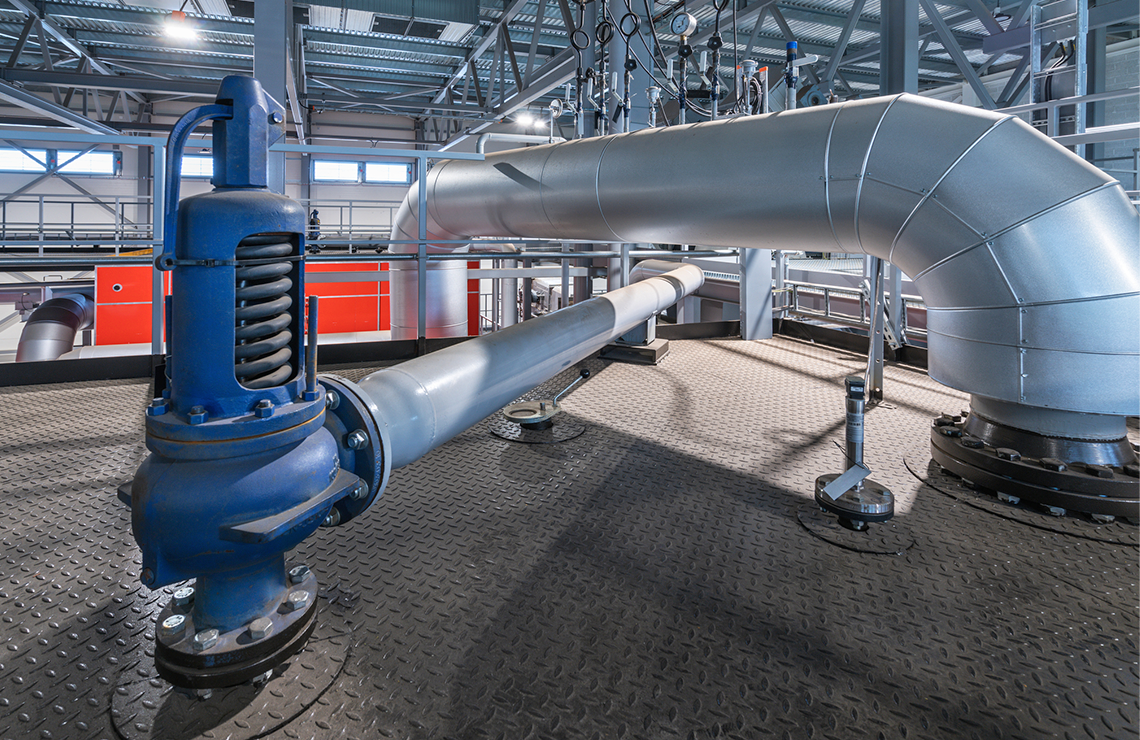
In this post, we'll explore how these valves work, why they matter, and what role they play in modern industrial safety frameworks. Whether you're a plant operator, engineer, or procurement specialist, understanding the mechanics and applications of spring-loaded safety valves can help you make smarter, safer equipment choices.
What Is a Spring-Loaded Pressure Relief Valve?
A spring loaded pressure relief valve is a mechanical safety device designed to release excess pressure from a system when it exceeds a preset limit. It functions by using a tightly calibrated spring that keeps the valve closed during normal conditions. When internal pressure builds beyond the design threshold, the spring compresses and allows the valve to open, safely venting fluid or gas until levels return to normal.
This design provides automatic protection with no need for electrical power or manual intervention. These valves are commonly found in steam systems, gas pipelines, oil refineries, and chemical processing plants; anywhere pressure fluctuations pose a risk.
Explore our full line of Anderson Greenwood Spring Loaded Relief Valves, built for high performance in mission-critical environments.
Why Pressure Relief Matters for Industrial Safety
Spring-loaded valves are widely preferred because they offer:
- Fail-safe operation with minimal moving parts
- Instant response to pressure spikes
- No external power dependency, even during outages
- High repeatability and reliability in extreme conditions
By mitigating these risks, spring-loaded relief valves help maintain compliance and reduce downtime across various sectors.
How the Spring Mechanism Works
Once the internal force exceeds the spring’s calibrated resistance, the spring compresses, lifting the valve disc and allowing media to escape through an outlet port. Once pressure normalizes, the spring returns to its original shape, reseating the disc and resealing the valve.
This cycle can repeat as often as needed without damage to the valve or the system, making it an ideal choice for continuous industrial use.
Common Applications of Spring Loaded Relief Valves
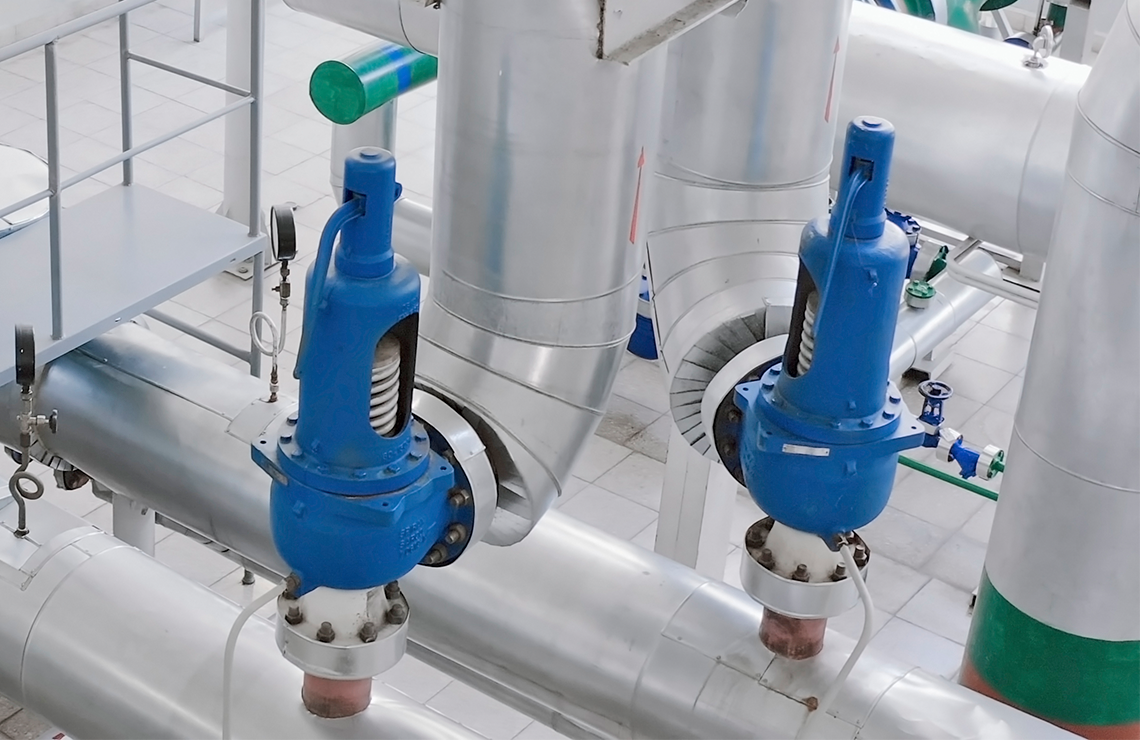
Spring-loaded relief valves are used in many sectors, including:
- Power & Energy: Boilers, condensate tanks, and turbines
- Oil & gas: Compressors, pipelines, and separators
- Chemical: Reactors, storage tanks, and high-pressure mixers
- Food & beverage: Pasteurization systems and carbonated product lines
- Life Sciences: Sterilization and high-temperature batch processing
Because these valves offer precise pressure control without electronic parts, they are especially useful in hazardous or remote locations where manual checks may be impractical.
Key Features to Look For
Not all pressure relief valves are created equal. When sourcing a spring-loaded pressure relief valve, look for:
- ASME Section VIII or Section I certification
- Adjustable blowdown features to reduce pressure fluctuation
- Corrosion-resistant materials, such as stainless steel or Hastelloy
- Back-pressure compensation, to ensure performance under fluctuating conditions
- Integrated soft seats for bubble-tight shutoff
Proconex partners with Emerson to provide Anderson Greenwood relief valves, known for their precision, durability, and broad configurability.
Safety Standards and Compliance
Regulatory frameworks demand that all relief valves meet strict performance standards. ASME Boiler and Pressure Vessel Code (BPVC) outlines requirements for safety valve construction, testing, and installation. Valves must undergo regular inspection, and many applications require backup or redundant relief systems.
In industries governed by EPA, FDA, or ISO certifications, valves must also contribute to overall process integrity. This includes features like tamper-proof calibration seals, high-purity metal finishes, and documentation for audit trails.
Browse our Safety Relief Valve offerings to ensure your facility meets or exceeds compliance requirements.
Troubleshooting and Maintenance
While spring-loaded valves are known for reliability, they must still be maintained. Common signs of malfunction include:
- Valve chatter, indicating set pressure misalignment
- Leakage under normal conditions, suggesting seat damage
- Delayed opening, often caused by corrosion or foreign material
- Inconsistent reseating, which may mean spring fatigue
Routine inspection and recalibration are key. Proconex offers services to help customers extend the life of their valve assets while ensuring peak performance.
What Are the Differences Between Safety Valves and Relief Valves
- Safety valves are typically used for gas and steam applications and are designed for rapid, full-opening responses
- Relief valves are generally used for liquid systems and offer gradual opening as pressure builds
Spring-loaded designs can serve both roles depending on their configuration and application. Understanding this distinction is critical when specifying valves for new systems or replacements.
When to Upgrade Your Pressure Relief System
Modern spring-loaded relief valves offer tighter tolerances, advanced seat materials, and improved diagnostics that weren't available a decade ago. Upgrading may help you meet new compliance standards, reduce downtime, and avoid unplanned shutdowns.
Key Takeaways
At Proconex, we provide best-in-class spring-loaded relief valves from trusted manufacturers like Emerson. Our team can help you choose the right valve for your environment, application, and safety requirements, backed by expert support and lifecycle services.
Discover Our Spring Loaded Relief Valves and protect your operations with precision-engineered safety equipment built to last.