

For plant managers, reliability engineers, and operations leaders in life sciences, flow control and automation are no longer supporting technologies. They are central to innovation. As biologics, cell and gene therapies, and personalized medicines continue to grow, the demands on manufacturing systems become more complex. Precision, repeatability, and traceability are essential. Flow control systems and automation provide the structure needed to meet these demands while enabling continuous improvement.
Why Flow Control Matters in Life Sciences Manufacturing
Life sciences processes depend on precise movement of fluids and gases. From water for injection and clean steam to active ingredients and solvents, consistent flow directly affects product quality. Unlike many industrial sectors, variability is not tolerated. Even small fluctuations can alter reaction conditions, impact yields, or invalidate a batch.
Flow control systems for life sciences are designed to maintain stable operating conditions across a wide range of processes. They support accurate dosing, controlled transfers, and consistent mixing. When integrated with automation systems, flow control becomes part of a closed loop that continuously adjusts to maintain optimal conditions.
This level of control allows organizations to scale processes with confidence. As production volumes increase or formulations evolve, flow control systems provide the flexibility needed to adapt without sacrificing compliance.
How Automation in Life Sciences Drives Consistency and Compliance
Automation also strengthens compliance. Regulatory frameworks such as current good manufacturing practices require documented, repeatable processes. Automated systems generate electronic records that support traceability and audit readiness. They also enforce process limits, preventing operators from inadvertently exceeding validated ranges.
For operations leaders, automation provides visibility. Real time data from flow control devices and instrumentation allows teams to monitor performance, identify trends, and address issues before they escalate. This proactive approach supports both quality objectives and operational efficiency.
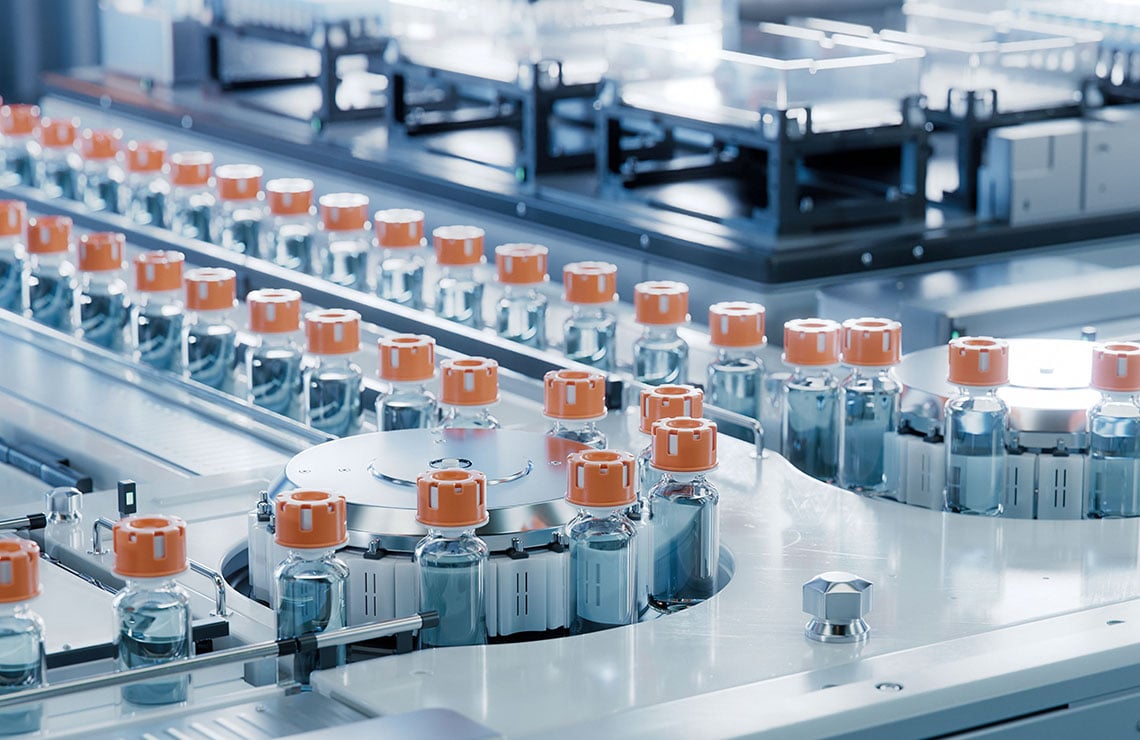
What Role Does Life Science Automation Play in Innovation?
Life science automation also supports faster technology transfer. As products move from development to commercial scale, automated systems help preserve process intent. This reduces the risk associated with scaling up and shortens time to market.
In advanced therapies, where batch sizes may be small and variability high, automation provides the control needed to manage complexity. Flow control systems integrated with automation platforms allow precise handling of sensitive materials, supporting innovation without compromising safety.
Life Sciences Flow Control and Process Integrity
Flow control in life sciences is not just about accuracy. It is about process integrity. Valves, actuators, and control devices must perform reliably under strict hygienic conditions. Materials of construction, surface finishes, and cleanability are critical considerations.
Flow control systems designed for life sciences minimize dead legs, support clean in place and sterilize in place procedures, and maintain performance after repeated cleaning cycles. Automation ensures that cleaning sequences are executed consistently, reducing the risk of contamination.
For reliability engineers, this focus on integrity simplifies maintenance planning. Standardized components and automated diagnostics reduce uncertainty and support predictable performance over the equipment lifecycle.
What Are the Benefits of Flow Control Systems for Life Sciences?
Flow control systems for life sciences deliver benefits that extend beyond the production floor.
They improve batch consistency by maintaining stable process conditions. They reduce waste by minimizing off spec production and rework. They support compliance by generating reliable records and enforcing validated parameters.
From a business perspective, these benefits translate into lower cost of quality, reduced regulatory risk, and improved operational efficiency. In competitive markets, the ability to produce high quality products consistently is a key differentiator.
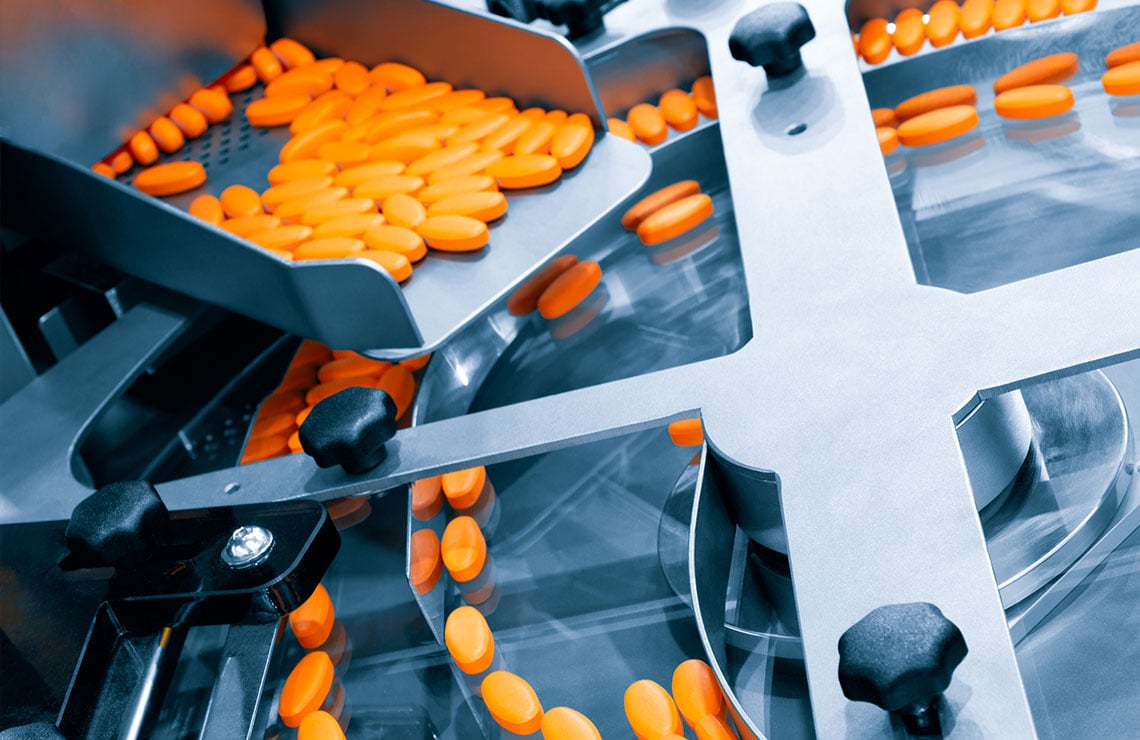
Addressing Operational Challenges Through Automation
Life sciences organizations face unique operational challenges. Aging infrastructure, increasing regulatory scrutiny, and workforce constraints all place pressure on existing systems. Automation helps address these challenges by reducing manual workload and improving system reliability.
Modern automation platforms integrate flow control, instrumentation, and analytics into unified systems. This integration simplifies troubleshooting and supports faster decision making. When deviations occur, teams can quickly identify root causes and take corrective action.
Automation also supports workforce development. By reducing reliance on manual tasks, experienced staff can focus on higher value activities such as process optimization and training. This is especially important as skilled labor becomes harder to replace.
Managing Lifecycle Risk in Life Science Automation
During design and commissioning, proper selection and integration of flow control devices establish a strong foundation. During operation, monitoring and diagnostics provide early warning of performance degradation. During modernization, automation platforms allow incremental upgrades without disrupting validated processes.
This lifecycle approach reduces the likelihood of unexpected failures and supports long term operational resilience. It also helps organizations plan capital investments more effectively, aligning upgrades with business priorities.
Why Integration Matters for Life Science Automation
Integrated automation solutions ensure that flow data, control logic, and quality systems work together. This holistic view supports better decision making and simplifies compliance. It also creates opportunities for continuous improvement by making performance data accessible across teams.
Supporting Innovation with Proconex Life Science Solutions
Driving innovation in life sciences requires partners who understand both regulatory requirements and real-world operations. Proconex supports life sciences organizations by helping them design, implement, and maintain flow control and automation systems that align with quality and business goals.
By combining technical expertise with practical experience, Proconex helps organizations modernize with confidence. Their approach supports compliance, reliability, and scalability while enabling innovation across the manufacturing lifecycle.
Learn more about how Proconex supports life sciences operations by exploring our life science solutions at https://www.proconexdirect.com/industries/life-sciences/