
TL;DR
- Foam creates hidden risk in aseptic manufacturing, causing sensor errors, batch inconsistencies, downtime, and compliance challenges in regulated industries.
- VisionAI uses adaptive machine vision and AI to detect foam in real time, even under variable lighting, textures, and process conditions.
- AI-driven insights enable proactive control, triggering alerts or automated adjustments before foam impacts quality, safety, or uptime.
- Fast to deploy and easy to integrate, VisionAI works with existing cameras and control systems to improve reliability, efficiency, and compliance.
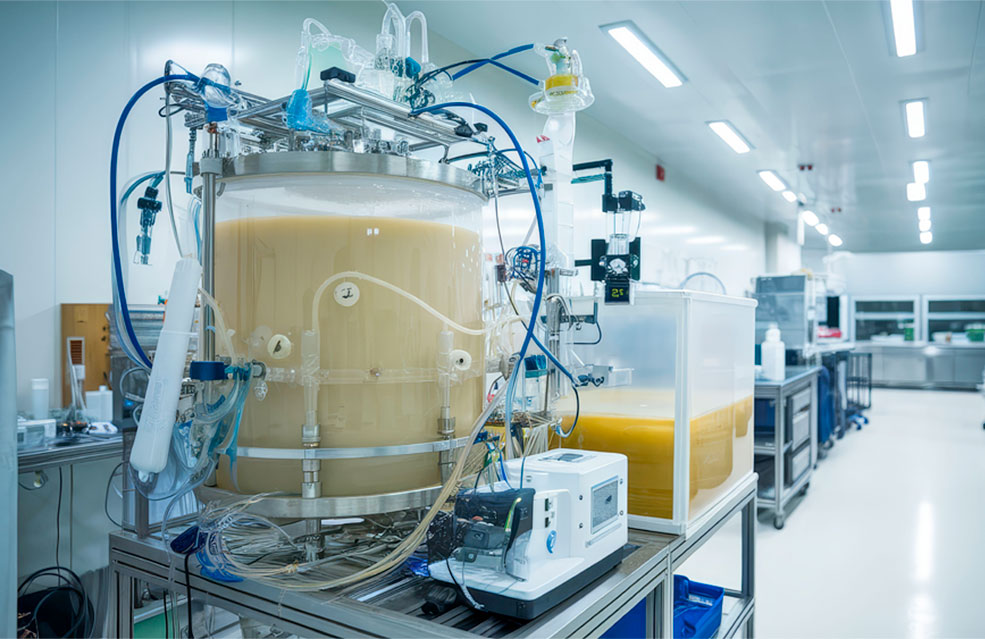
In aseptic industrial manufacturing, even small inconsistencies can cascade into costly disruptions. One area where this is particularly true is foam formation in liquid processes. Foam can cause inaccurate volume measurements, trigger unwanted alarms, compromise product quality, and even damage equipment over time. Traditional monitoring methods, such as manual inspections or standard sensors, often struggle to detect these anomalies in real time, leaving operations exposed to risk. For plant managers, operations teams, and control engineers in regulated industries such as life sciences, specialty chemicals, or food and beverage manufacturing, this represents a recurring challenge: How can you maintain product integrity, ensure compliance, and minimize downtime without relying solely on human observation?
Enter VisionAI for foam detection. By combining machine vision, artificial intelligence, and advanced analytics, VisionAI enables real-time monitoring and predictive insights that keep processes running smoothly and safely. Let’s explore how VisionAI transforms foam detection from a reactive headache into a proactive operational advantage.
Understanding Foam Detection Challenges in Industrial Settings
Foam formation is a deceptively complex issue. In batch processes or continuous flows, foam can form due to agitation, chemical reactions, temperature fluctuations, or minor variations in feedstock composition. While visible foam might seem minor, its consequences can be significant:
- Instrumentation drift: Sensors designed to measure liquid levels may provide inaccurate readings when foam is present, leading to improper control responses.
- Batch inconsistencies: Foam can alter the effective volume of tanks or reactors, impacting dosing accuracy and product quality.
- Unplanned downtime: Excess foam may trigger automatic shutdowns in sensitive equipment, leading to lost production time.
- Regulatory and safety risks: In industries like pharmaceuticals or specialty chemicals, foam can compromise sterility, product purity, and compliance with FDA, EMA, or ISO standards.
How VisionAI Works for Foam Detection
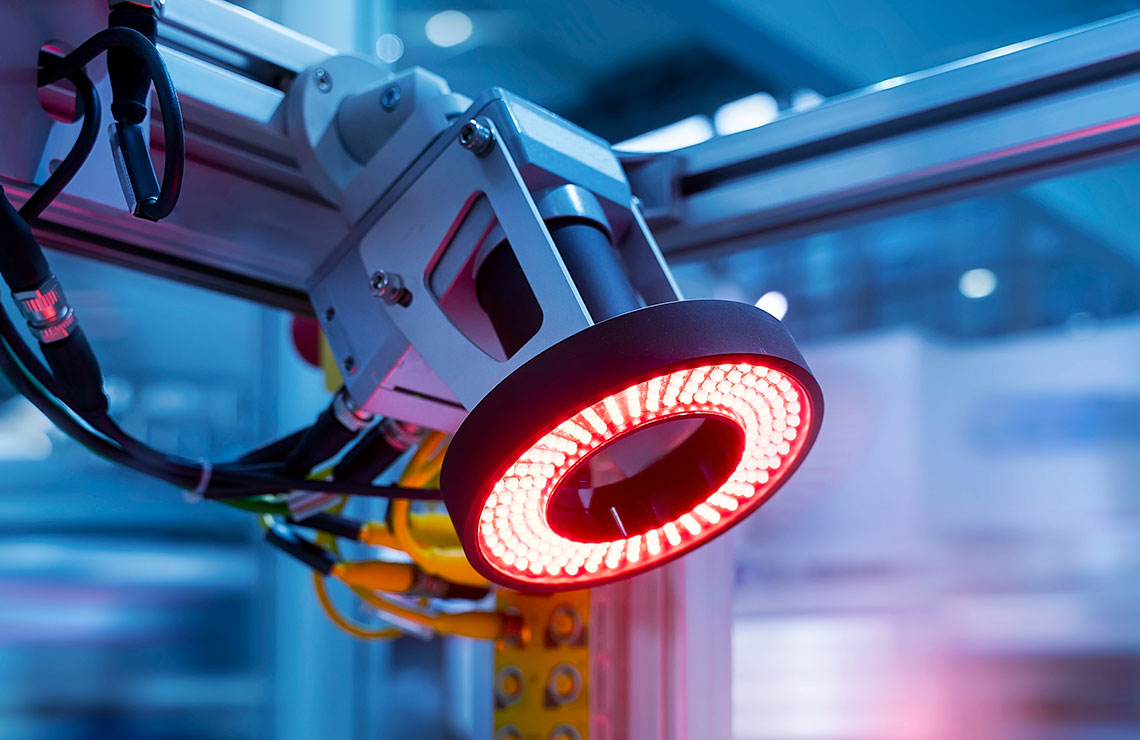
- Adaptive Machine Vision: Unlike conventional computer vision systems that require uniform conditions, VisionAI adapts to real-world variability. Lighting changes, reflective surfaces, and differing foam textures are automatically accounted for, ensuring consistent monitoring.
- AI-Powered Anomaly Detection: VisionAI combines image analysis with historian, MES, and process data. It not only identifies foam formation but contextualizes it within broader operational patterns, allowing predictive insights rather than simple detection.
- Real-Time Alerts and Corrective Actions: When foam is detected, VisionAI can trigger automated process adjustments, alert operators, or flag quality control teams. This reduces reaction time and minimizes process disruptions.
- Rapid Integration: VisionAI is designed to work with both new and legacy camera systems. Installation typically takes about one week with minimal downtime, allowing facilities to start realizing benefits quickly without extensive production interruptions.
Real-World Applications in the Mid-Atlantic Industrial Landscape
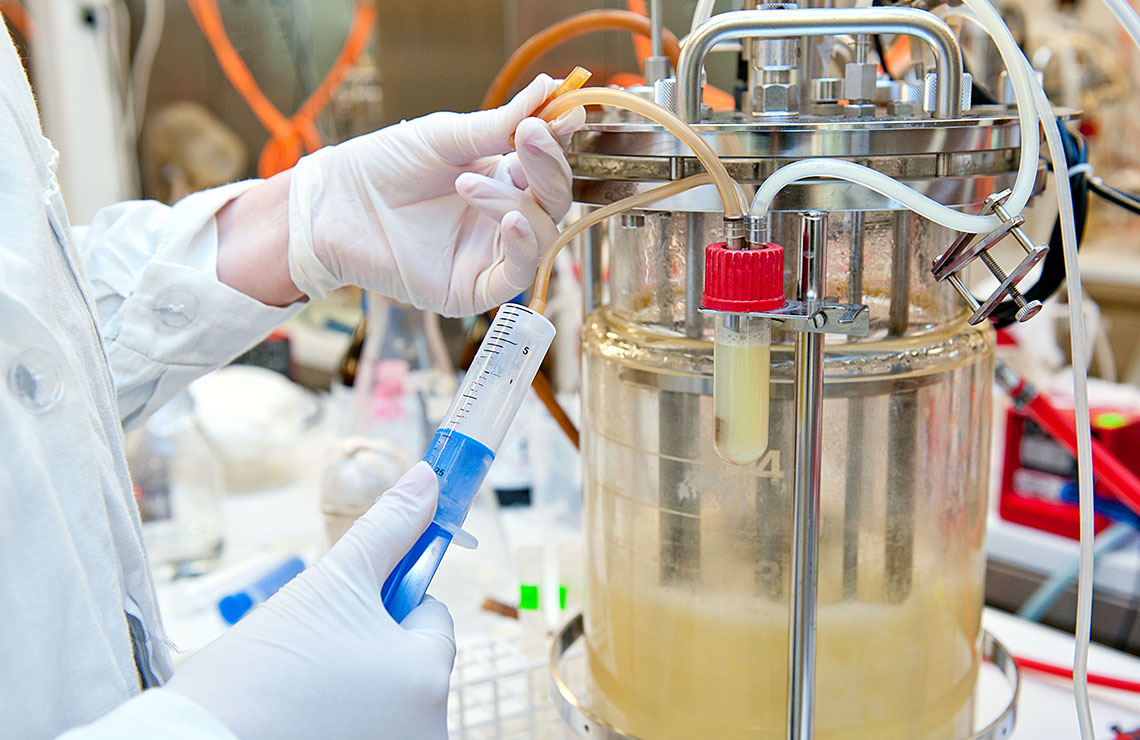
- Pharmaceutical Manufacturing: Foam in bioreactors can impact cell culture volume and nutrient dosing. VisionAI ensures that aseptic conditions are maintained, reducing the risk of batch loss or regulatory non-compliance.
- Specialty Chemicals: In reactive chemical processes, foam can alter flow rates, cause sensor errors, and trigger unexpected safety shutdowns. VisionAI monitors foam formation continuously, allowing operators to make informed adjustments before issues escalate.
- Food and Beverage Production: Foam in mixing or carbonation processes affects product consistency and fill accuracy. VisionAI helps maintain uniform product quality while reducing labor-intensive inspections.
Risks of Inaction
Ignoring the potential of advanced foam detection carries tangible consequences:
- Operational Costs: Unplanned stoppages or reprocessing batches due to foam errors lead to lost production and labor costs.
- Equipment Wear and Maintenance: Foam-induced overflows or sensor inaccuracies can accelerate wear, increasing maintenance demands and downtime.
- Regulatory Compliance: In regulated industries, foam-related anomalies can result in batch rejection, failed audits, or fines.
- Safety Concerns: Unchecked foam formation in chemical or high-pressure processes can escalate into hazardous conditions for personnel and equipment.
Traditional monitoring strategies leave gaps that VisionAI can close, helping facilities avoid preventable risks.
Practical Steps for Integrating VisionAI into Your Operations
Assess Current Process and Instrumentation
Begin with a process audit to understand where foam formation occurs, which sensors are currently deployed, and where data gaps exist. This step ensures that VisionAI complements your existing control architecture.Deploy Adaptive Vision Systems
Install VisionAI-compatible cameras at key points in your process. VisionAI’s adaptive models account for environmental variability, minimizing false positives and improving detection accuracy.Integrate with Control Systems
VisionAI connects to your Emerson DeltaV or other DCS systems, historians, and MES platforms. This integration enables actionable insights, allowing automated corrective actions, such as adjusting flow rates or dosing parameters, to occur without human delay.Enable Cybersecurity Controls
As with any networked industrial technology, VisionAI must align with OT cybersecurity best practices. Proconex can help implement segmentation, monitoring, and access control measures to protect sensitive process data while enabling AI functionality.Leverage Lifecycle Services
VisionAI is most effective when paired with ongoing lifecycle support. Proconex can provide periodic model updates, system calibration, and training to ensure the solution evolves alongside process changes and regulatory requirements.Strategic Takeaways
- Enhanced Process Reliability: Continuous, adaptive monitoring reduces unexpected deviations and process variability.
- Improved Compliance and Safety: AI-driven oversight supports regulatory requirements and minimizes risks to personnel.
- Operational Efficiency: Proactive detection allows for immediate corrective actions, reducing waste and improving throughput.
- Informed Decision-Making: By linking vision data with historical process data, VisionAI delivers actionable intelligence that guides both day-to-day operations and long-term planning.
Take the Next Step
Discover how VisionAI can elevate your operations and reduce risk in your industrial processes. Explore our VisionAI solutions today at https://www.proconexdirect.com/ai/visionai/ and connect with Proconex for a consultation, assessment, or roadmap discussion tailored to your facility.