
TL;DR
- Unplanned downtime is costly and risky — legacy monitoring methods delay issue detection, increasing downtime, safety risks, and compliance gaps.
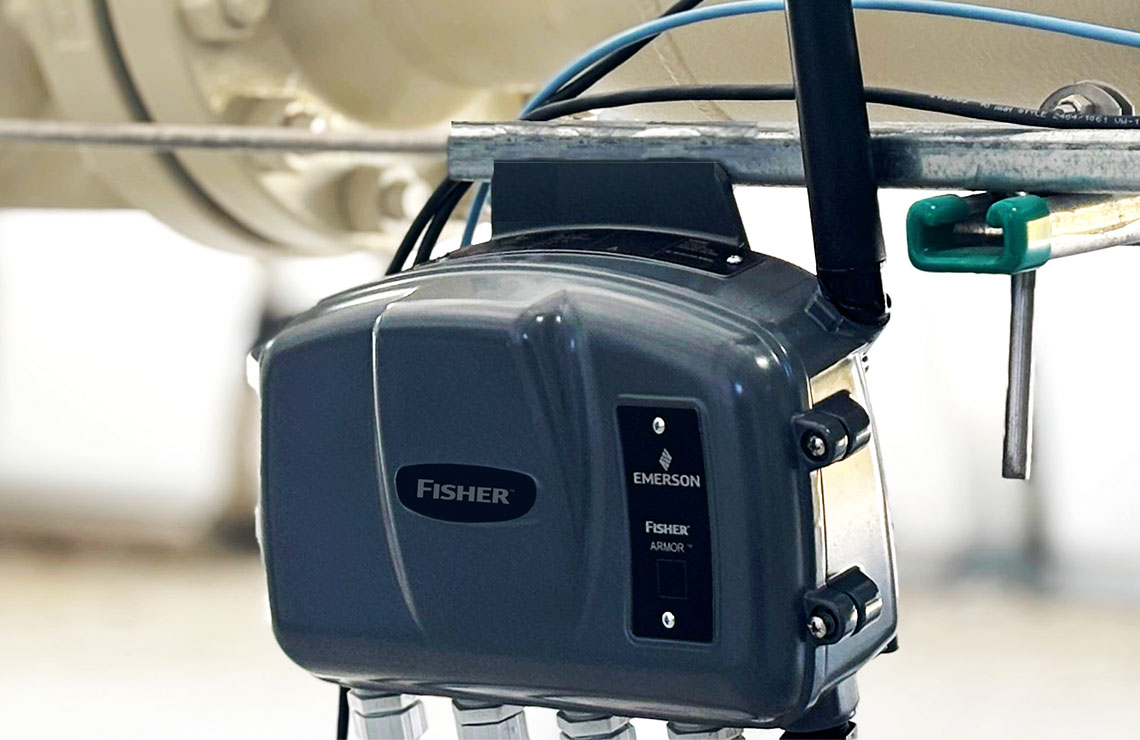
- Fisher™ ARMOR enables predictive remote monitoring by combining wireless sensors, intelligent analytics, and secure connectivity for real-time asset visibility.
- Plants shift from reactive to proactive maintenance, catching valve wear, drift, and performance issues early to improve uptime, safety, and efficiency.
- Easy to integrate and scalable, Fisher™ ARMOR works with existing systems and deployment models, delivering measurable gains in reliability, cost reduction, and regulatory compliance.
In modern industrial operations, unplanned downtime is more than an inconvenience, it can cost thousands or even millions of dollars in lost production, regulatory penalties, and safety risks. For manufacturers in the Mid-Atlantic region relying on legacy control systems, keeping a constant eye on critical valves and equipment often means manual rounds, spreadsheets, or isolated sensor systems. These traditional approaches introduce delays in detecting performance degradation, leaving plants exposed to unexpected failures and compliance gaps.
This is where the next era of remote monitoring, powered by Fisher™ ARMOR technology, is transforming how plants manage and protect their assets.
Understanding Fisher™ ARMOR Technology
Fisher™ ARMOR is an advanced remote monitoring system designed for process control environments. At its core, it combines wireless instrumentation, intelligent analytics, and secure connectivity to deliver real-time insight into valve and equipment performance. ARMOR stands for Asset Reliability Monitoring and Operational Reporting, reflecting its dual focus on predictive maintenance and operational visibility.
Unlike conventional monitoring devices that require extensive network integration or physical inspections, the Fisher™ ARMOR system can operate with minimal intrusion. Its wireless sensors collect high-frequency data on valve position, pressure, flow, and vibration. This data is then processed through intuitive dashboards, either locally or via cloud-enabled software, to provide actionable insights without overwhelming plant personnel.
By using this technology, manufacturers can shift from reactive maintenance to proactive predictive strategies, ensuring that critical equipment remains online and compliant with regulatory standards.
Real-World Operational Applications
- Batch inconsistencies: In chemical or food processing facilities, minor deviations in valve performance can lead to off-spec batches. ARMOR’s high-resolution monitoring detects subtle anomalies before they escalate, reducing material waste and rework
- Unplanned outages: Mechanical wear, instrument drift, or misaligned actuators often go unnoticed until equipment fails. Remote monitoring devices continuously track key parameters, alerting operators to emerging issues so downtime can be scheduled, not forced
- Network segmentation gaps: Cybersecurity is a growing concern for industrial control systems. ARMOR devices leverage secure wireless protocols, like WirelessHART®, ensuring data integrity while minimizing network exposure
- Instrumentation drift: Over time, sensors can lose calibration accuracy. Fisher ARMOR automatically logs trends and deviations, enabling timely calibration interventions without disrupting production
Risks of Inaction
- Operational: Undetected wear or instrument drift increases the likelihood of unplanned outages, slowing production schedules and reducing overall throughput
- Financial: Downtime translates directly into lost revenue. Repairing damage after failure is typically far more expensive than predictive maintenance actions
- Safety: Faulty valves or equipment can cause pressure surges, leaks, or hazardous releases, putting personnel and the surrounding community at risk
- Regulatory compliance: Many industries face strict reporting requirements for asset condition and maintenance records. Without accurate monitoring, plants risk audit failures or fines
How to Modernize Your Remote Monitoring Approach
Transitioning to Fisher™ ARMOR technology does not require an overhaul of your existing DeltaV or legacy systems. Proconex offers practical, phased strategies to integrate advanced remote monitoring without disrupting operations.
1. Evaluate Your Current Equipment and Control System
Start by identifying critical valves, actuators, and assets where downtime or performance issues carry the highest operational or safety impact. Assess current sensor coverage, network segmentation, and cybersecurity posture to pinpoint where ARMOR technology can deliver the most value.2. Select the Deployment Model That Fits Your Plant
Fisher™ ARMOR supports multiple configurations:- Local software installation for plants requiring on-premise control and data retention
- Cloud-enabled viewing for remote access with secure credentials
- Proconex SaaS deployment for a turnkey, low-touch experience with minimal IT integration
3. Install AMS Wireless Vibration and Valve Sensors
WirelessHART® sensors monitor not only operational parameters but also vibration, temperature, and other indicators of equipment health. By deploying sensors in remote or hazardous areas, plants can reduce the need for physical inspections while gathering richer data on asset performance.4. Analyze Data Proactively with AMS Machine Works Software
High-frequency vibration and performance data are only useful when actionable. ARMOR integrates with AMS Machine Works software, providing:- Hourly PeakVue™ data collection
- Daily spectral and waveform analysis
- Visual dashboards for condition assessment
5. Implement Lifecycle Support and Cybersecurity Controls
Proconex ensures your remote monitoring setup remains reliable and secure throughout the system’s lifecycle. Our services include firmware updates, calibration management, and cybersecurity best practices such as network segmentation, access controls, and encrypted data transmission. By combining predictive insights with secure architecture, plants can reduce risk and maintain regulatory compliance.
Benefits of Fisher™ ARMOR Remote Monitoring
- Proactive maintenance: Detect early signs of equipment wear or drift before they become operational issues
- Boosted uptime: Continuous visibility into asset performance reduces unexpected shutdowns
- Reduced costs: Less manual inspection, optimized maintenance schedules, and extended equipment life
- Optimized Equipment Effectiveness (OEE): Higher availability, consistent quality, and improved throughput
- Local and secure data management: Maintain plant-floor data integrity without heavy IT integration
- Faster decision-making: Real-time, high-quality insights enable operators to act with confidence
Strategic Takeaways
Partnering with Proconex brings not only the technology but also the expertise to deploy, integrate, and maintain it. From initial assessment to full lifecycle support, we provide the guidance and services required to modernize your plant while keeping operations safe and efficient.
Next Steps: Discover Our Remote Monitoring Solutions
Discover our remote monitoring solutions today and start securing the next era of industrial operations. Learn more here
By leveraging Fisher™ ARMOR technology with Proconex as a trusted lifecycle partner, industrial manufacturers in the Mid-Atlantic region can reduce downtime, optimize performance, and enhance both safety and compliance. Remote monitoring is no longer a luxury, it is a necessity for facilities aiming to remain competitive and reliable in the modern industrial landscape.