
TL;DR
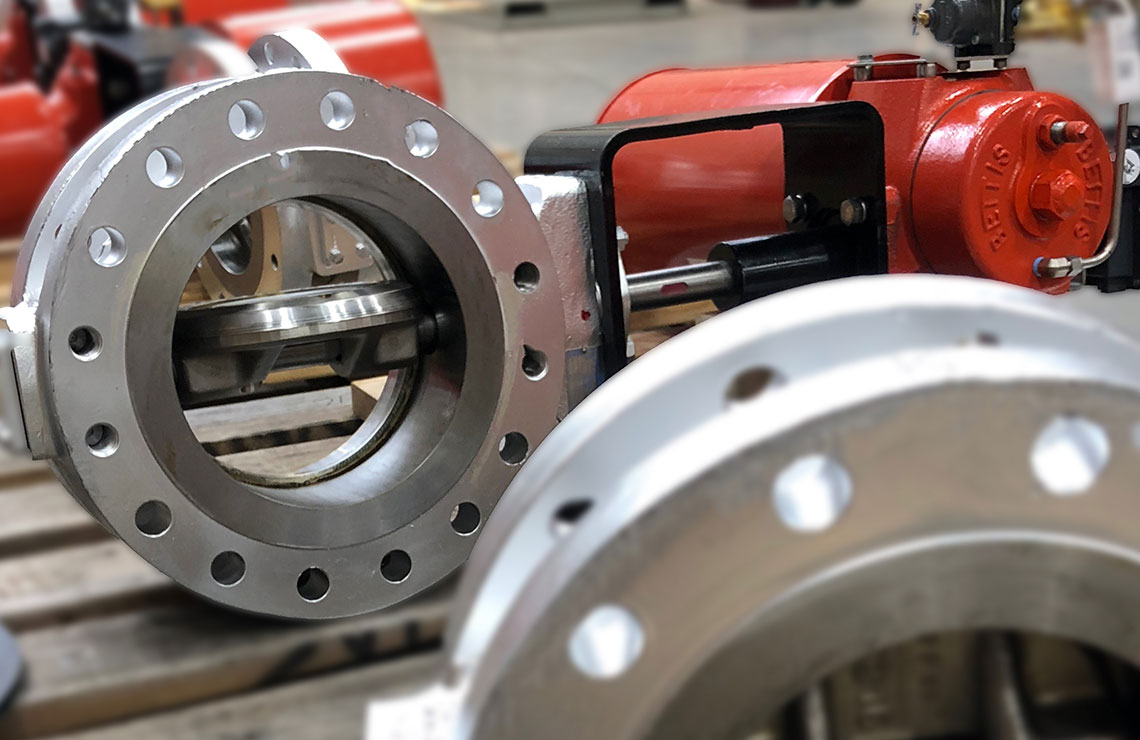
- Triple offset valves deliver tight shutoff and long-term reliability in high-pressure, high-temperature steam and water applications where traditional valves fail.
- Their unique triple-offset geometry minimizes wear and torque, enabling consistent performance, easier automation, and reduced maintenance over thousands of cycles.
- By preventing leaks and unplanned downtime, triple offset valves protect batch quality, safety, and regulatory compliance in critical industries.
- Vanessa triple offset valves, supported by Proconex lifecycle services, offer a proven solution for modernizing systems and improving operational resilience.
In many industrial plants, downtime is the silent productivity killer. A single valve failure in a steam or process system can halt production lines, compromise batch quality, or even trigger costly regulatory issues. Plant managers, control engineers, and reliability teams know that not all valves are created equal, especially when operating under high pressures, elevated temperatures, or critical safety requirements. This is where triple offset valves come into play, providing precise control, tight shutoff, and long-term reliability for high-performance systems.
Traditional gate, ball, and globe valves weren’t engineered for modern thermal cycling. The triple offset was.
Understanding Triple Offset Valve Technology
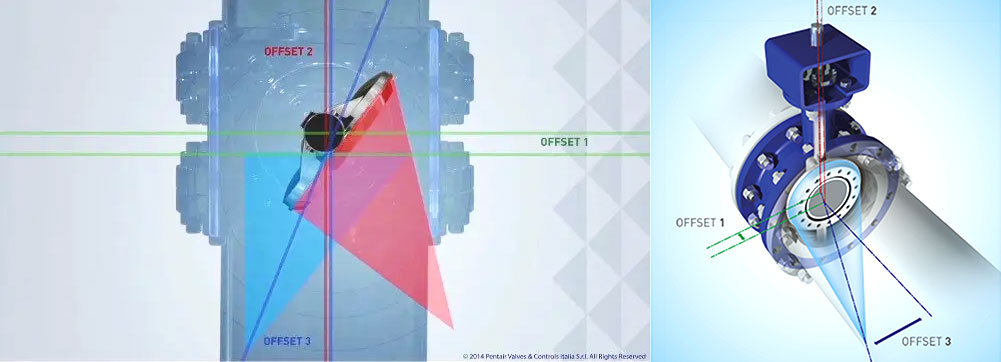
A triple offset butterfly valve is an engineered solution designed to eliminate the common limitations of traditional butterfly, gate, and globe valves. The “triple offset” refers to three geometric offsets in the valve design:
- First offset: The shaft is positioned behind the plane of the sealing surface, allowing the disc to rotate without rubbing the seat
- Second offset: The center of the disc is offset from the center of the pipe, preventing contact until the disc reaches its final seating position
- Third offset: The conical geometry of the seat and disc ensures the seal engages only at the end of the stroke, reducing wear and providing a metal-to-metal or laminated sealing interface
- Tight, bidirectional sealing at full rated pressure
- Minimal friction during operation
- Consistent performance over thousands of cycles
Real-World Challenges Solved by Triple Offset Valves
In batch-based operations, even minor valve inconsistencies can affect process reproducibility. For example, a partially leaking isolation valve might allow unintended steam or fluid flow, creating temperature fluctuations that compromise batch quality. Similarly, in power plants or life sciences manufacturing, a failing isolation valve can trigger emergency shutdowns, risking both production losses and safety violations.
Triple offset valves directly address these issues:
- Consistent torque: The geometry of the valve ensures smooth, low-torque operation, enabling faster and more controlled actuation
- Minimal wear: The seat-disc engagement only occurs at the end of the stroke, eliminating abrasion and extending service life
- Bidirectional sealing: Eliminates the need for redundant valve configurations, reducing system complexity
Key Considerations for Industrial Applications
- Service Type: Steam, cryogenic, or corrosive applications require specific sealing materials and coatings. For instance, Vanessa Series 30,000 valves are engineered for critical steam service, offering tight shutoff and long-term reliability
- Valve Size and Pressure Rating: Proper sizing ensures consistent performance and avoids premature wear. Triple offset valves excel in high-pressure and high-temperature scenarios, providing reliable end-of-line isolation
- Actuation and Integration: Quarter-turn operation simplifies automation integration, whether through pneumatic, electric, or manual actuators. For facilities using distributed control systems like DeltaV, the predictable stroke and torque behavior improves control accuracy and reduces actuator stress
- Lifecycle and Maintenance Strategy: Long-term performance depends on both the valve design and the support infrastructure. Proconex’s regional presence in Pennsylvania, Maryland, and surrounding Mid-Atlantic states allows rapid service, inspection, and spare part provisioning, minimizing production impact
Risks of Inaction
Choosing the wrong valve, or delaying the transition from legacy systems, can have serious operational, financial, and safety consequences:
- Operational: Leaks or inconsistent sealing can lead to temperature swings, batch inconsistencies, or incomplete isolation of critical process lines
- Financial: Unplanned outages, emergency maintenance, and replacement costs can escalate quickly, sometimes exceeding the initial cost savings from lower-quality valves
- Safety: Steam or high-pressure fluid leaks can cause injuries or trigger environmental incidents
- Regulatory: For life sciences or chemical manufacturers, improper isolation can result in non-compliance with FDA, EPA, or OSHA regulations, risking fines or production holds
By proactively investing in high-performance triple offset valves, operators mitigate these risks while enhancing overall system reliability and uptime.
Practical Solutions for Modern Facilities
- Valve Modernization: Replacing aging rising stem or standard butterfly valves with triple offset designs can immediately reduce maintenance overhead and improve control reliability
- Automation Integration: These valves are ideal for automated systems, offering precise control through distributed control systems and field instrumentation. Low torque operation reduces actuator wear and improves control response times
- Lifecycle Services: Proconex provides support across the full valve lifecycle, from specification and installation to inspection, testing, and predictive maintenance. Regional availability in Pennsylvania, Maryland, and surrounding Mid-Atlantic states ensures quick response times
- Cybersecurity Considerations: Modern automated valves are part of OT networks. Integrating triple offset valves within secure network segments, aligned with DeltaV or other DCS platforms, minimizes risks of unauthorized actuation or data integrity issues
Why Should You Buy a Vanessa Valve?
- Bidirectional sealing at full pressure: Ensures reliable isolation regardless of flow direction
- Quarter-turn operation: Simplifies actuation, reduces cycle times, and extends actuator life
- Compact design: Saves installation space and facilitates integration in tight areas
- Durable sealing technology: Minimizes wear and reduces maintenance frequency, particularly compared to rising stem valves
Strategic Takeaway
Conclusion
For facilities in the Mid-Atlantic looking to optimize their steam, chemical, or high-pressure fluid systems, Proconex offers both the products and the expertise to implement, support, and maintain high-performance valve solutions. Discover how Vanessa triple offset valves can elevate your system performance and schedule a consultation today: Discover Our Triple Offset Valves!