
TL;DR
- Vibration analysis identifies early mechanical faults in rotating equipment before failures occur.
- Early detection of issues like imbalance, misalignment, and bearing wear extends equipment life and prevents secondary damage.
- Vibration monitoring enables predictive maintenance, reducing unplanned downtime and maintenance costs.
- Consistent vibration data improves equipment reliability, safety, and overall performance.
Good Vibrations
In industrial facilities, equipment rarely fails without warning. More often, machines communicate distress long before a breakdown occurs. The challenge is knowing how to listen. Subtle changes in vibration patterns often appear weeks or even months before a bearing seizes, a shaft misaligns, or a motor overheats. For plant managers, reliability engineers, and operations leaders, vibration analysis provides a practical way to identify these early signals and act before performance is compromised.
As assets age and maintenance resources tighten, vibration analysis has become a cornerstone of modern reliability programs. It enables organizations to extend equipment life, improve performance, and reduce unplanned downtime by turning mechanical behavior into actionable insight.
What Is Vibration Analysis in Industrial Equipment?
Vibration analysis is the process of measuring and interpreting mechanical vibrations to assess the condition of rotating equipment. Machines such as motors, pumps, compressors, fans, and gearboxes all generate vibration during normal operation. When components wear, loosen, or become misaligned, vibration characteristics change.
By capturing and analyzing these changes, vibration analysis identifies developing faults while equipment is still operational. This allows maintenance teams to address problems proactively rather than reacting to failures.
Unlike visual inspections or temperature checks, vibration analysis reveals internal mechanical conditions that cannot be seen or felt until damage is severe. This makes it one of the most effective tools for condition-based maintenance.
Why Vibration Analysis Equipment Matters for Reliability
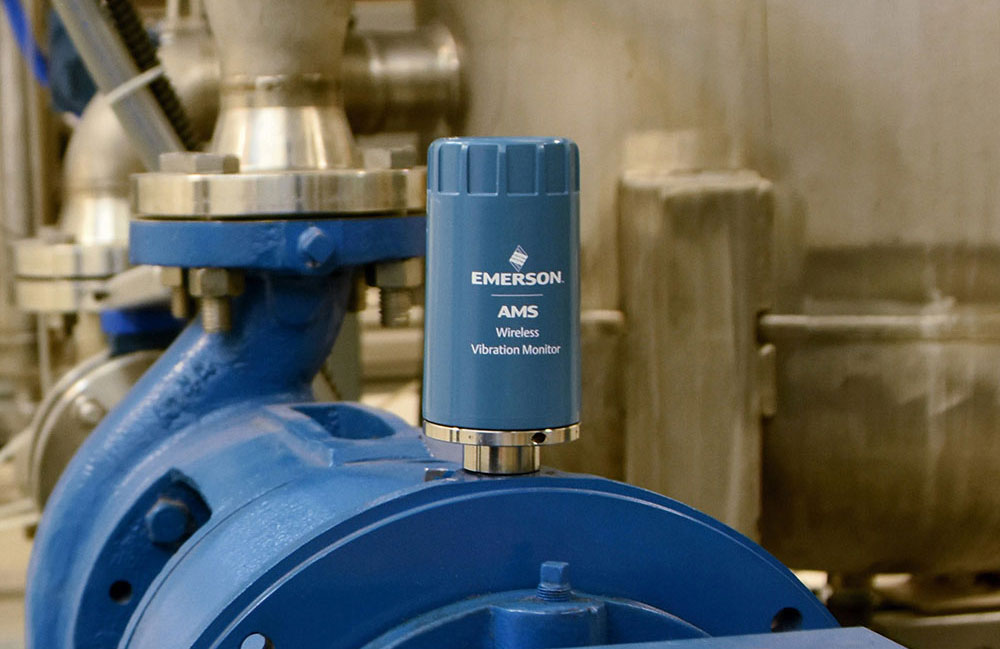
Reliable data is essential. Inconsistent or poorly installed sensors can obscure meaningful patterns and lead to missed warnings or false alarms. When vibration analysis equipment is properly selected and installed, it becomes a dependable source of insight that supports confident decision making.
For operations leaders, the value lies in clarity. Accurate vibration data reduces uncertainty and helps prioritize maintenance work based on actual risk rather than fixed schedules.

How Vibration Analysis Extends Equipment Life Cycle
For example, correcting misalignment early reduces stress on bearings and seals. Detecting bearing defects before failure prevents damage to shafts and housings. These interventions extend the useful life of equipment and reduce the frequency of major repairs. Over time, vibration analysis supports smarter decisions about repair versus replacement. When vibration trends indicate stable performance, assets can remain in service longer with confidence.
What Are the Long-Term Benefits of Vibrational Analysis?
The long-term benefits of vibrational analysis extend beyond individual machines. At the plant level, consistent vibration monitoring improves overall reliability and operational stability.
Key benefits include reduced unplanned downtime, lower maintenance costs, and improved safety. Equipment failures often occur suddenly and under load, creating hazardous conditions. By preventing these failures, vibration analysis reduces exposure to safety incidents.
From a financial perspective, avoiding catastrophic failures protects production schedules and reduces emergency repair costs. Over time, these savings often exceed the investment in vibration monitoring programs.
Vibration analysis also supports workforce efficiency. Maintenance teams spend less time responding to emergencies and more time planning corrective actions. This shift improves morale and allows skilled technicians to focus on high value work.
What Types of Faults Can Vibration Analysis Detect?
Common detectable faults include:
- Imbalance, where rotating components are unevenly weighted
- Misalignment, where shafts are not properly aligned
- Bearing defects
- Gear wear
- Looseness
- Resonance issues.
Understanding the types of faults that vibration analysis can detect helps teams interpret data correctly and avoid misdiagnosis.
How Does Vibration Equipment Analysis Improve Performance Monitoring?
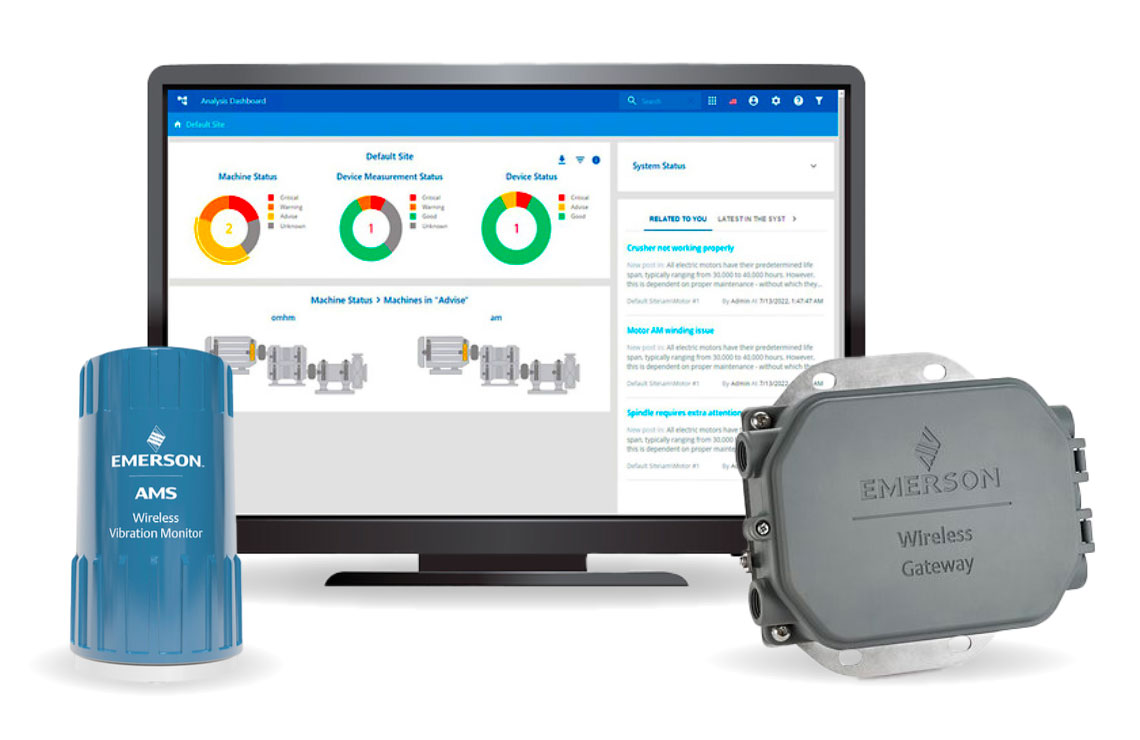
Vibration equipment analysis provides insight into how equipment behaves under different loads and operating conditions. Changes in vibration patterns may indicate inefficiencies such as increased friction or unstable operation.
By addressing these issues, organizations improve energy efficiency and reduce wear. For example, eliminating imbalance reduces power consumption and vibration related fatigue. Improving alignment enhances coupling life and reduces seal leakage.
Performance monitoring supported by vibration analysis allows operations leaders to optimize processes while maintaining reliability.
Supporting Vibration Analysis Programs at Proconex
From selecting appropriate vibration analysis equipment to interpreting data and recommending corrective actions, Proconex helps teams maximize the value of their monitoring efforts. Their approach focuses on improving equipment life cycle performance, reducing risk, and supporting sustainable operations.
Learn more about how Proconex supports reliability through our vibration analysis services!