
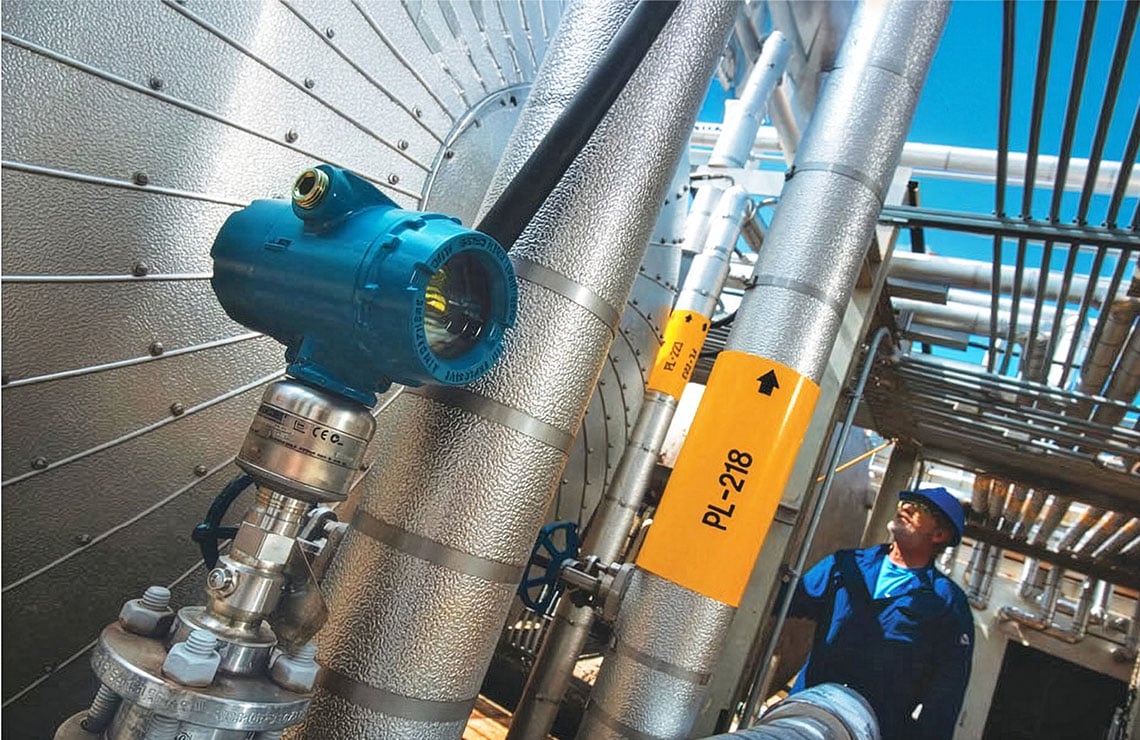
For plant managers, reliability engineers, and operations leaders, precision is not an abstract concept. It directly affects product quality, energy efficiency, asset life, and safety margins. As industrial systems become more automated and more interconnected, the demand for accurate, repeatable, and trustworthy measurement continues to grow. Understanding emerging trends in measurement instrumentation helps organizations make smarter investment decisions and reduce risk across the lifecycle of their assets.
Why Is Precision Important in Measurement?
Precision determines how consistently an instrument can reproduce the same measurement under the same conditions. In regulated industries such as oil and gas, chemicals, power generation, and life sciences, even small variations can lead to serious consequences. A pressure transmitter that drifts over time may not trigger alarms early enough. A flow meter with poor repeatability can mask inefficiencies or create imbalance in mass or energy calculations.
Precision matters because it directly influences control performance. Process control systems rely on accurate inputs to maintain stable operation. When measurement uncertainty increases, control loops become less effective. Operators compensate by widening safety margins, which often leads to higher energy use, reduced throughput, or unnecessary wear on equipment.
From a business perspective, poor measurement precision increases total cost of ownership. It leads to more frequent calibration, higher maintenance costs, and greater exposure to unplanned downtime. Precision instruments, when properly selected and maintained, reduce these hidden costs and support consistent performance over the life of the asset.
What Is Precision in Instrumentation?
For example, a temperature transmitter that consistently reports the same value for a stable process allows the control system to respond predictably. Even if the absolute value is slightly offset, consistent data supports reliable operation. This is why modern instrumentation emphasizes stability, low drift, and repeatability as key performance characteristics.
Emerging Trends in Measurement Instrumentation
Digital Instruments and Smart Diagnostics
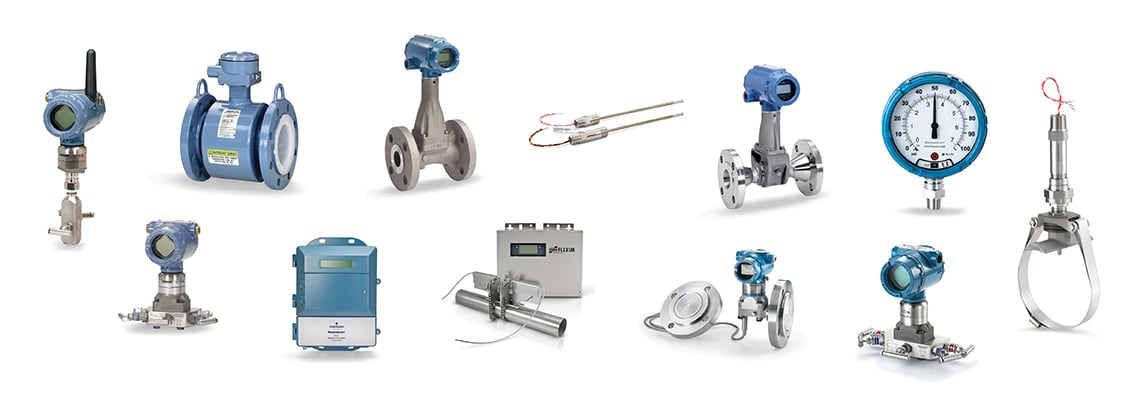
One of the most significant trends is the widespread adoption of digital instruments. Digital pressure, temperature, level, and flow devices offer higher resolution and better noise rejection than traditional analog instruments. More importantly, they provide embedded diagnostics that reveal the health of the instrument itself.These diagnostics allow maintenance teams to identify sensor degradation, impulse line issues, or calibration drift before measurement quality is compromised. This supports a shift from reactive to predictive maintenance, reducing unnecessary field work while improving confidence in the data.
Increased Use of Multivariable Measurement
Multivariable transmitters are becoming more common in applications where space, installation cost, or process complexity is a concern. These devices combine measurements such as pressure, temperature, and flow into a single instrument. By calculating compensated values internally, they reduce uncertainty introduced by separate sensors and external calculations.For operations leaders, this trend supports improved precision while simplifying installation and maintenance. Fewer devices mean fewer failure points and more consistent data across the control system.
Focus on Measurement Instrumentation Trends Driven by Regulation
Regulatory scrutiny continues to increase across many industries. Environmental reporting, emissions monitoring, and product traceability all depend on reliable measurement data. As a result, instrumentation trends are increasingly shaped by compliance requirements.In life sciences and specialty chemicals, validation and documentation are just as important as the measurement itself. Instruments must maintain precision over time and provide clear audit trails. This has driven demand for devices with strong stability specifications and robust data integrity features.
Why Is It Important to Know the Precision of an Instrument Before Using It?
Understanding instrument precision before deployment allows engineers to match the device to the application. Not every measurement requires laboratory level performance. However, critical control loops, safety systems, and custody transfer applications demand higher precision and tighter tolerances.
Knowing the precision of an instrument helps teams set realistic expectations for control performance and maintenance intervals. It also informs decisions about redundancy and safety margins. Selecting an instrument without considering its precision often leads to over engineering in some areas and under protection in others.
From a lifecycle perspective, upfront evaluation of precision reduces surprises later. It supports better calibration planning, more effective spare parts strategies, and fewer unplanned interventions.
What Factors Can Influence the Precision of a Measuring Instrument?
Several factors influence the precision of measuring instruments in real world conditions.
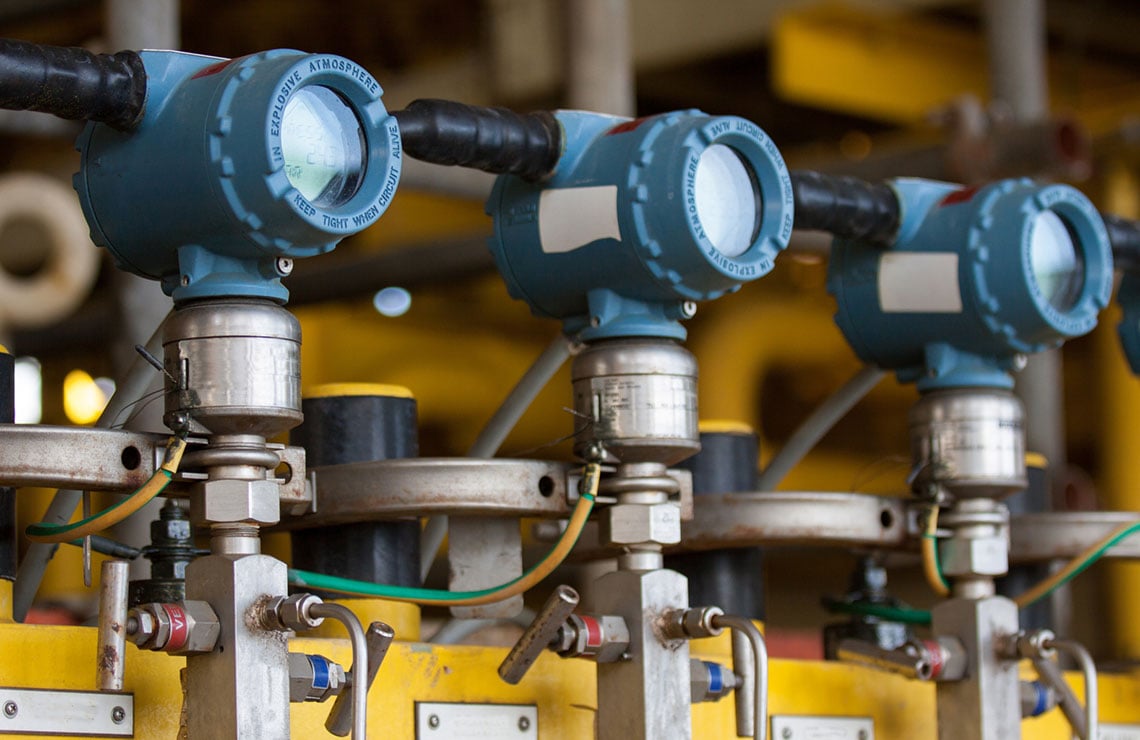
Environmental conditions such as temperature extremes, vibration, and humidity can degrade sensor performance over time. Installation practices also matter. Poor impulse line routing, inadequate straight run lengths, or improper mounting introduce variability that no instrument specification can overcome.
Process conditions play a role as well. Fouling, corrosion, and erosion affect sensor surfaces and response time. Electrical noise and grounding issues can introduce signal instability, particularly in older facilities with mixed generations of equipment.
Recognizing these factors allows reliability teams to address root causes rather than blaming the instrument alone. Precision is a system level outcome that depends on design, installation, and maintenance discipline.
Why Are Digital Instruments Becoming More Popular in Precision Measurement?
Digital instruments offer advantages that align closely with modern operational priorities. They deliver higher resolution data, improved stability, and advanced diagnostics that support smarter maintenance decisions.
Digital communication protocols allow instruments to transmit more than just a process value. Status information, calibration history, and health indicators become part of the control system’s awareness. This reduces the reliance on periodic manual checks and supports remote monitoring strategies.
As staffing constraints continue to challenge industrial organizations, digital instruments help teams do more with fewer resources. They enable proactive decision making based on reliable data rather than reactive responses to failures.
Applying Precision to Lifecycle Risk Management
During commissioning, precise instrumentation helps verify that systems are performing as intended. During operation, it supports stable control and early detection of abnormal conditions. During modernization planning, historical measurement data informs upgrade priorities and investment decisions.
Organizations that treat measurement instrumentation as a strategic asset rather than a commodity are better positioned to manage risk. They avoid the cycle of short-term fixes that often lead to higher costs and greater exposure over time.
Practical Steps to Improve Measurement Precision Today
Review critical measurements and confirm that instrument specifications align with current process requirements. Evaluate installation quality and address known sources of variability such as impulse line issues or poor grounding. Use available diagnostics to assess instrument health rather than relying solely on time based calibration intervals.
Most importantly, partner with experienced automation specialists who understand how measurement, control, and maintenance intersect in real facilities. Precision is not achieved by hardware alone. It requires informed decisions and consistent execution.
Supporting Precision with Proconex
Precision measurement instrumentation is a cornerstone of safe, reliable, and efficient industrial operation. Proconex supports organizations by helping them select, implement, and maintain measurement solutions that align with both technical and business objectives.
From evaluating emerging instrumentation trends to supporting lifecycle management, Proconex brings practical expertise grounded in real operational environments.
Learn more about how Proconex supports accurate and reliable measurement by exploring our measurement instrumentation solutions at
https://www.proconexdirect.com/products/measurement-instrumentation/